Website Component and Template Pricing Guide for Business Projects
Here's what nobody tells you about website pricing: those wildly different quotes you're getting aren't random. They're reflecting completely different approaches to building your site's building blocks. Every button, form, and pricing table can be grabbed from a template library, cloned from someone else's site, or crafted from scratch. Each path changes everything – how long it takes, what tools you'll need, and what happens when something breaks at 2 AM.
Hidden and Ongoing Website Costs You Must Budget For
Websites aren't like buying a car. You can't just pay once and drive away.
Your domain name needs renewal every year. Web hosting? Same deal. And that SSL certificate keeping your visitors' data encrypted? Yeah, that's recurring too. Miss any of these renewals and your site goes dark faster than you'd think.
But the real budget killer? Maintenance. Security patches drop constantly. Plugins need updates. Design elements break when browsers change their rules. Someone has to babysit all this stuff, whether that's your nephew who "knows computers" or a professional who charges accordingly.
Content creation sneaks up on budgets like nothing else. You'll start with "we just need a simple site" and end up needing SEO services, professional copywriting, stock photos that don't look terrible, and ongoing tweaks to stay competitive. These often live completely outside your original "design" quote, yet they make or break whether anyone actually finds and trusts your business.
Don't forget the basics either. Email hosting, automated backups, uptime monitoring – boring stuff that becomes very exciting when it's missing and everything falls apart.
WordPress Cost Drivers for Customization and Growth
WordPress pricing feels like a moving target because it is.
Your hosting needs shift based on traffic, how many images you're serving, whether you need staging environments for testing changes.
Premium plugins are everywhere, and they add up fast. Contact forms that don't look like they're from 2005? More money. Each plugin also means more things that can break when WordPress updates.
Theme selection becomes this weird balancing act. Premium themes can save weeks of development time and come with polished animations that would cost thousands to build custom. But free themes? You'll spend that money anyway on customization to make them not look like every other site using the same theme.
Many teams end up hiring WordPress developers anyway – for performance optimization, custom functionality, or just to make the CMS work the way their business actually operates rather than how the theme assumes it should.
eCommerce Functionality Costs for Selling Online
Selling stuff online adds layers most people don't see coming.
Platform fees are just the start. Shopify takes a cut of every transaction on top of their monthly fee. These percentages seem small until you're doing real volume.
For WordPress eCommerce, you're looking at specialized plugins for inventory tracking, shipping calculations, tax compliance. Each integration needs testing to make sure checkout flows don't break. And eCommerce sites need extra security hardening because you're handling credit card data.
When comparing platforms, dig into their pricing plans examples. How do costs scale as you grow? What happens when you need custom shipping rules or complex product variations? Free templates and design libraries from platforms like Webflow can give you a sense of what's possible, but pay attention to how pricing jumps between plan tiers.
The foundation stuff matters, but let's talk about what really drives those shocking price differences between quotes.
Key Factors Influencing Overall Website Development Costs
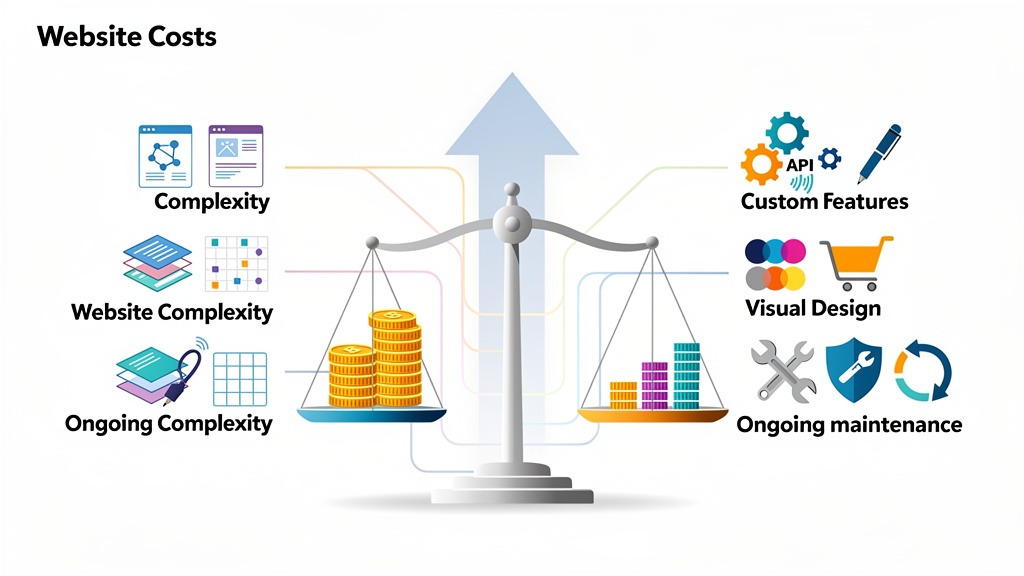
Two things determine what you'll actually pay: what visitors see when they land on your site, and what your business needs that site to accomplish behind the scenes. The biggest cost swings come from design complexity, page count, and functionality requirements. Understanding these forces helps you evaluate quotes that might otherwise seem pulled from thin air.
The Biggest Cost Drivers in a Business Website Build
Page count times complexity equals your budget reality check.
Each page needs layout design, responsive testing across devices, content entry, and quality assurance. Multiply that by ten times the pages and you're looking at fundamentally different projects.
Here's what actually drives costs:
Design complexity hits first. Custom UI design with unique interactions and bespoke sections takes multiple design and development cycles. Compare that to adapting pre-built layouts where you're mainly swapping content and colors.
Functionality requirements multiply everything. A simple contact form versus a dynamic booking system with payment processing? Different universes of complexity. Custom pricing tables with plan comparison features, gated content, user dashboards – each feature adds UX design, backend logic, and extensive testing.
Content creation and migration often costs as much as development. Writing, editing, formatting, and moving content from old systems into new structures. When existing content is inconsistent or poorly organized, this becomes a massive undertaking.
Media and SEO requirements travel together because page structure, heading hierarchy, and internal linking affect both how content looks and how search engines understand it.
Hidden and Ongoing Costs to Budget For From Day One
The stuff that happens after launch often surprises people because it lives outside build quotes.
Domain renewals, hosting fees, SSL certificates – these are the utilities of the internet. Miss a renewal and your site disappears until you sort it out.
Recurring maintenance includes security patches, plugin compatibility updates, and fixing things that break when browsers or platforms change their rules. Assign someone to handle this upfront, either internally or through a maintenance retainer, because critical updates sitting unapproved create security risks.
Email hosting, backup systems, and uptime monitoring keep your business running when technical problems hit. These seem optional until the first time your contact form stops working or you need to restore from backup after something goes wrong.
WordPress Specific Costs That Change the Equation
WordPress hosting requirements scale with your ambitions. Traffic volume, media storage, caching needs, and uptime expectations can push hosting from a minor expense to a strategic investment.
Premium plugin subscriptions add up quickly. Security, SEO, advanced forms, eCommerce functionality – each specialized feature often comes with annual renewal fees and support requirements.
Customization beyond basic configuration usually means hiring WordPress developers for theme modifications, custom functionality, or performance optimization. Even premium themes rarely match specific brand requirements or business workflows without some custom development.
WordPress eCommerce introduces additional complexity: payment gateway integration, tax calculations, shipping logic, inventory management. Each piece needs configuration, testing, and ongoing maintenance as regulations and business requirements change.
Understanding cost drivers helps, but choosing between templates and custom components requires a different framework entirely.
Website Templates and Custom Web Component Pricing Models
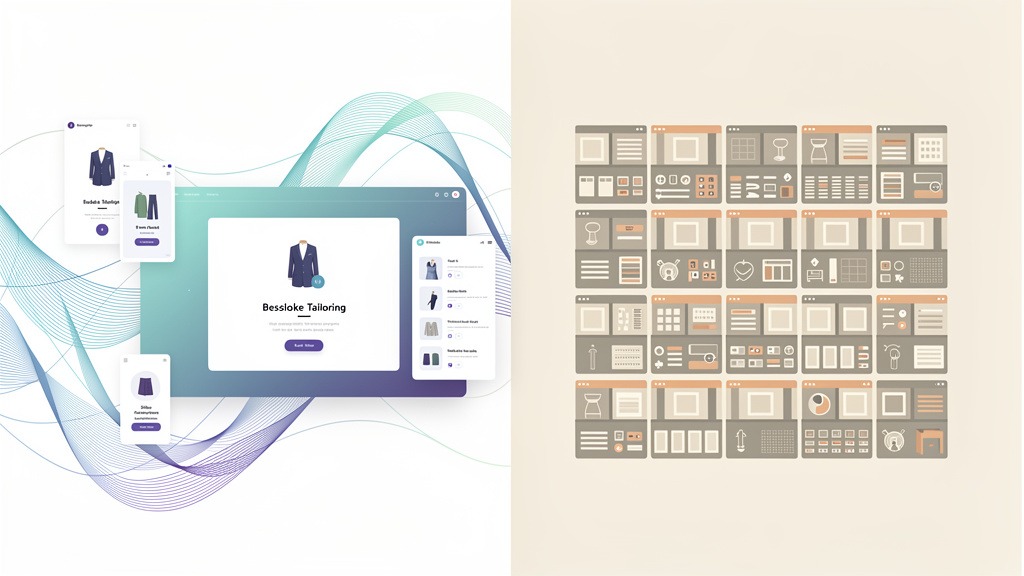
Picking between templates and custom components isn't about right versus wrong – it's about matching your approach to business risk, timeline pressure, and differentiation goals. Template costs are predictable because they're packaged deals. Custom component pricing shifts with scope, interactions, and content management complexity. Smart businesses figure out what needs to feel signature (brand moments that matter) and what can be borrowed safely (standard patterns like footers and legal pages).
Website Templates Versus Custom Components in Plain Terms
A website template is a pre-designed page system you license and adapt with your content and branding. Templates often look polished immediately, but the deeper your needs differ from the original structure, the more you end up doing custom work anyway.
A custom web component is a purpose-built block – hero sections, FAQ accordions, pricing tables, content listings – designed and developed specifically for your brand and conversion goals. Custom work shines when templates can't handle nuanced business logic or when your brand needs a distinctive feel that stands out from competitors using the same popular templates.
Pricing Models You'll Encounter
Premium marketplace templates (ThemeForest and similar) typically sell one-time licenses per website. The fixed upfront cost feels reassuring, but licensing terms, update access, and support duration vary dramatically between sellers.
Component libraries and subscription platforms (like Envato Elements) charge recurring fees for access to large catalogs of templates, design assets, and cloneable sites. Subscriptions can unlock flexibility for teams shipping multiple campaigns, but they create dependency – when subscriptions lapse, access to downloads, updates, and licensing documentation may change.
The core difference between single licenses and subscriptions is ownership versus access. Single licenses center on one specific deliverable. Subscriptions center on ongoing breadth and variety.
Comparison Table for Decision-Makers
| Option | Pricing Structure | Best Fit | What's Included | Potential Problems |
|---|---|---|---|---|
| --- | --- | --- | --- | --- |
| Single template license | One-time payment per site | Brochure sites, quick launches | Theme files, documentation, limited support window | Customization scope creep, unclear licensing terms |
| Subscription library | Monthly/annual access fees | Marketing teams, frequent campaigns | Ongoing catalog access, varied licensing, regular additions | Asset quality inconsistency, renewal dependency, compliance tracking |
| Custom components | Quoted per scope | Differentiated brands, complex functionality | Strategy, design, development, testing, documentation | Scope ambiguity, late-stage change requests |
Assign someone to track licensing terms, update eligibility, and who handles applying updates (internal team versus agency). If your pricing pages need complex plan logic or dynamic content, confirm whether pricing tables are static designs or database-driven before committing to any approach.
Knowing pricing models matters, but avoiding common mistakes can save you more money than smart purchasing decisions.
Avoiding Common Website Pricing Mistakes and Hidden Costs
Most budget explosions happen when quotes cover the visible build but ignore operating costs and ongoing ownership of each feature. Reliable component pricing names every recurring expense and assigns maintenance responsibility before design exploration turns into unplanned engineering work. The goal is creating seamless, memorable experiences without paying twice for the same outcome.
Hidden and Ongoing Website Costs That Quietly Expand Budgets
Annual recurring costs often sit outside initial project scopes. Domain renewal, web hosting, SSL certificates – these are the internet's utility bills. Business communication tools add more fees: email hosting, automated backups, uptime monitoring.
Maintenance deserves dedicated budget treatment. Security patches, plugin updates, platform updates, and fixing broken functionality should be planned services, not emergency expenses. When these tasks fall through cracks, small issues become expensive problems.
Content and growth work frequently costs as much as initial development. SEO services typically include copywriting, metadata optimization, technical SEO audits, and content uploads. Stock photography or custom visual assets keep brands looking authentic and consistent rather than generic.
Premium assets require clear decision-making. Premium themes can reduce production time and improve polish, while free themes often increase customization effort and create long-term design constraints.
WordPress Specific Cost Traps That Affect Scope and Timelines
WordPress hosting requirements vary based on traffic expectations, caching needs, staging environments, and plugin loads. WordPress eCommerce adds checkout flows, transactional email setup, and ongoing security hardening requirements.
Budget essential premium plugins early, especially for security, SEO, and forms. "Free" alternatives often limit features or require workarounds that eat development time. Customization frequently requires hiring WordPress developers, particularly for template adaptation, complex functionality, or custom content management patterns.
Quick Checklist to Prevent Hidden Costs
- List every component and define update ownership responsibilities
- Decide whether design library components get used as-is or customized
- Confirm who handles hosting, SSL management, backups, and email systems
- Document maintenance, plugin updates, and content upload processes in writing
Let's address the most common questions that come up when evaluating website costs.
Lack of a Cost Breakdown for Individual Website Components
Website quotes feel unpredictable when presented as lump sums. Clear breakdowns tie total prices to the building blocks creating user experiences, so business owners can see what drives scope, risk, and long-term maintenance requirements.

What Component-Level Breakdowns Look Like
Website components are reusable design and functionality blocks that shape pages and user flows. For typical small business sites, cost conversations become clearer when line items are specific:
- Hero sections with headlines, media, and calls to action
- About sections with trust signals and brand storytelling
- Pricing tables, from simple cards to complex plan comparisons
- Pricing plan selectors with monthly/annual toggles for SaaS applications
- Contact forms with spam protection and email routing
- Content management listings for blogs, case studies, or location pages
- Interactions like scroll animations, hover effects, and micro-feedback
Cost Ranges by Creation Method and When Each Fits Best
Hybrid approaches: Freelancers for rapid prototyping combined with agencies for system hardening and scale preparation.
Practical Workflow Hint to Prevent Surprises
Assign ownership per component: who writes content, who supplies media, who maintains database fields, and who tests functionality after launch. Clear responsibility assignment prevents assumptions that create project delays and cost overruns.
Now let's tackle the most frequently asked questions about website investments.
Frequently Asked Questions About Website Costs
What Am I Actually Paying For in a Website Quote
Website quotes bundle one-time build work with ongoing operational requirements.
Ongoing expenses often include domain and hosting renewals, SSL certificate management, and basic security monitoring. Many sites need dedicated maintenance for security patches, plugin compatibility updates, and functionality monitoring.
Business utilities like email hosting and automated backups are frequently separate from design and development costs. Growth-focused work can add SEO services, content creation, stock photography, and on-page optimization implementation.
Practical constraint: Clarify whether "support" means proactive system maintenance or reactive problem-fixing, because the work scope and risk profiles are completely different.
How Much Does Custom Web Design Cost and What Drives Component Pricing
Custom web design costs depend on original UI design requirements, interaction complexity, and content management logic needs. Component-based pricing approaches scope each piece – navigation, forms, pricing tables, onboarding flows – based on complexity rather than page count alone.
Premium versus free themes change development speed, design flexibility, and how much customization developers must handle. Budget essential premium plugins for security, SEO, and forms when advanced workflows or compliance requirements appear.
Workflow hint: Assign internal owners for approvals and content provision, or revision cycles can quietly expand component costs through extended development time.
What Do Website Templates Cost and How Do WordPress Costs Change the Picture
Template costs are typically more predictable, but customization and maintenance requirements vary widely. For WordPress sites, plugin choices can reduce build time or increase maintenance overhead if too many add-ons create conflicts.
WordPress hosting requirements vary by traffic expectations, caching needs, and backup requirements, especially for eCommerce implementations. Hiring WordPress developers for customization is common when themes can't match brand interaction requirements or dynamic content presentation needs.
If plans include cloneable sites or Webflow alternatives, confirm export capabilities, content management limits, and component ownership for pricing presentations and plan structures. Ask vendors to share portfolio examples to validate quality before making commitments.
Making informed website investment decisions requires understanding all involved elements and their long-term implications.
Conclusion: Investing Wisely in Your Digital Presence
Confident website budgeting starts when business owners can see how user experiences are built from individual parts. When component costs are named, compared, and ownership is assigned, the massive price range variations become less mysterious and more strategic. The goal isn't buying the most features – it's crafting the most purposeful, memorable outcome for your audience.
What to Prioritize When Pricing Feels Overwhelming
Use clear development cost breakdowns that separate design work, build execution, and ongoing ownership responsibilities. Compare template costs against custom component pricing based on what must feel signature (like hero sections) and what can be safely reused (like legal page layouts).
Components That Shape Trust and Conversion
High-leverage elements like pricing tables, plan comparisons, key interactions, and content collections often carry disproportionate risk in business applications. Request component pricing that spells out who maintains content, logic, and visual polish after launch.
Practical Closing Checklist
- Review pricing section designs, including dynamic tables and plan comparison functionality
- Request portfolio examples or cloneable site demonstrations
- Confirm ownership assignments for updates, testing, and performance monitoring